Making hiring decisions shouldn’t feel like guesswork. But too often, that’s exactly what it is — gut feelings, subjective impressions, or overreliance on polished resumes. The result? Inconsistent hiring outcomes and costly mis-hires.
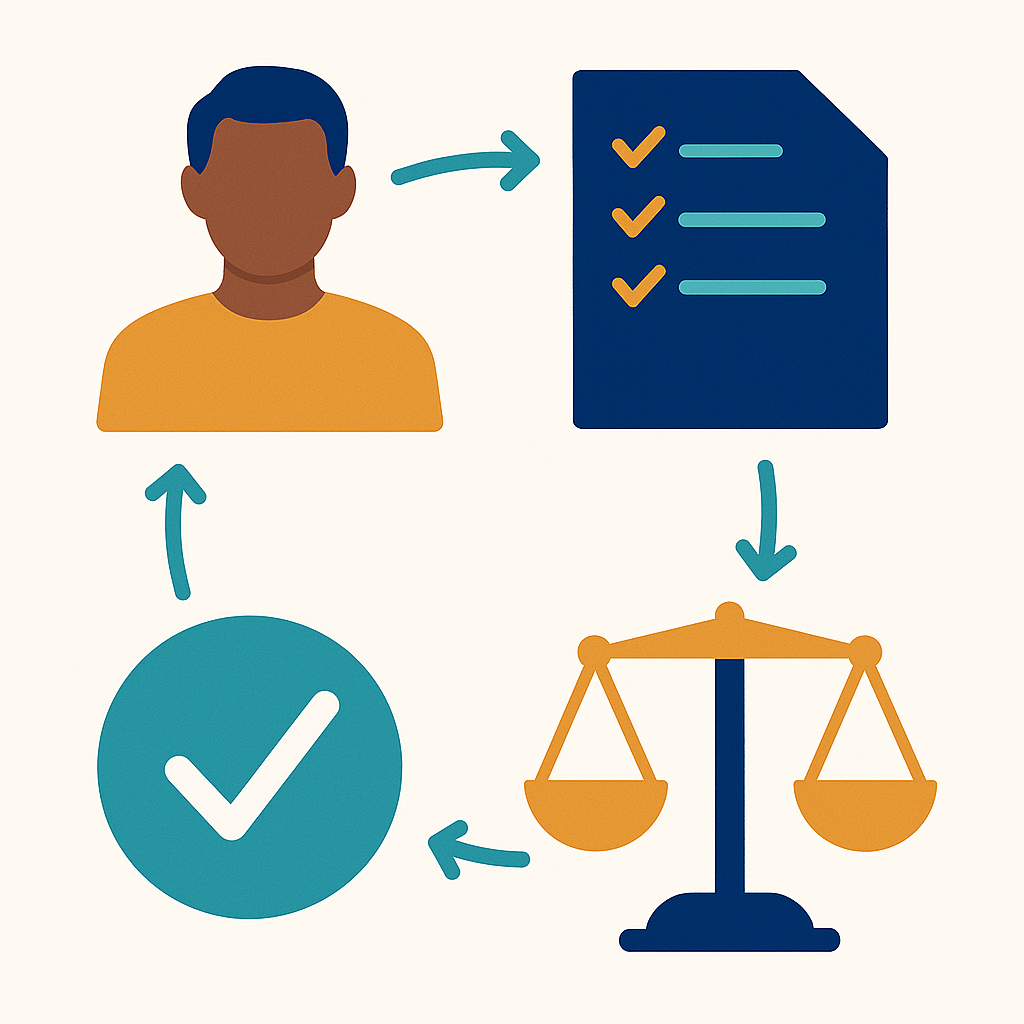
If you want to hire smarter, you need a system. Here’s a four-step formula for making objective, accurate hiring decisions that lead to better performance, less bias, and stronger teams.
Before you open a single resume or schedule an interview, define what success looks like in the role.
When your team aligns on clear success metrics, you’re less likely to chase the wrong profile or overvalue superficial traits (like a familiar background or confident presentation). You’ll anchor decisions to impact — not intuition.
Turn your success metrics into a candidate scorecard with categories like:
Resumes are a limited signal. They show where someone worked, not how well they’ll perform in your environment.
Use practical, role-relevant assessments to evaluate the skills that matter.
Keep assessments short (30–45 minutes) and job-specific.
Platforms like Provicio auto-generate assessments from job descriptions and provide structured scoring — so your team can focus on reviewing outcomes, not building tests.
Unstructured interviews are the biggest source of noise in hiring. When different interviewers ask different questions, you lose consistency and make it harder to compare candidates fairly.
Standardize your interview process.
Write down responses and score them using a rubric. The more consistent your inputs, the more accurate your hiring decisions.
Once you’ve gathered interview and assessment data, don’t go with your gut — go with your numbers.
You eliminate groupthink, minimize bias, and get a clearer picture of who is truly best suited for the role — not just who stood out in the moment.
Debrief as a team only after everyone submits individual scores. This prevents dominant voices from skewing the discussion.
If you're juggling interviews, job descriptions, and candidate reviews — this one's for you.
Download the Tech Hiring Checklist: From Job Post to Offer Letter to:
🛠️ Perfect for busy hiring managers who want to save time without sacrificing quality.
📩 Delivered to your inbox in minutes.
👉 Grab the Checklist Now and streamline your next hire